The personal side of Bias, Prejudice, and Oppression

As I matriculated through the EDUC 6164 course, I reflected upon my personal practices as an educator with diverse families. One hope that I have about working with families and children from diverse backgrounds is to build powerful partnership with the families. This partnership will begin from the first day I receive the opportunity to communicate with the family and hopefully beyond the school year. As families transition from their home countries, there will be many students who will be entering an unfamiliar territory. These students will require additional support from educators, family, as well as the community in order to succeed. Therefore, I would like to initiate a continuous conversation about the educational background of the student as well as learn more about the family traditions, beliefs, as well as the family goals for the student throughout the school year. Also, I hope to build a strong partnership with all the families in order to ensure that all families are connected and have an active support system.

One goal I would like to set for the early childhood education field is for all educators to become aware of their own personal bias as adults and speak out against prejudice and bias whenever it is encountered (Derman-Sparks, 2010). We all have unconscious biases that are often learned stereotypes, unintentional, and can affect our behavior. As an educator, it is important to become aware of these personal biases and learn to overcome them as you interact with a diverse group of people. As the families of our students encounter several situations which may be unfair, I believe that active members of the early childhood education field should be willing to become an activist and advocate for each of the families.

I would like to personally take this opportunity to thank my classmates for being active participants in class discussions and challenging me with thought provoking questions about diversity. I hope that you have gained insight from the course about your personal perspectives. I would like to wish you the best of luck in your future endeavors and I look forward to working with you in future courses.

Derman-Sparks, Edwards, (2010). Anti-bias education for young children and ourselves. Washington, DC: National Association for the Education of Young Children (NAEYC). 
Welcoming Families From Around the World

You are working in an early childhood setting of your choice—a hospital, a child care center, a social service agency. You receive word that the child of a family who has recently emigrated from a country you know nothing about will join your group soon. You want to prepare yourself to welcome the child and her family. Luckily, you are enrolled in a course about diversity and have learned that in order to support families who have immigrated you need to know more than surface facts about their country of origin.

The family has recently emigrated from Nepal and will join my group soon. In order to assist that the family transitions comfortably, there are several things which will need to occur. I realize that a transition to a new place can initially be difficult for the entire family. Prior to the arrival of the family, I plan to personally learn as much about Nepal as possible and ensure that I inquire to see how I can help the family feel comfortable.

  • At least five ways in which you will prepare yourself to be culturally responsive towards this family

Here are five ways that I can prepare myself to be culturally responsive to the family:

  1. First, I will become familiar with Nepal, which is located in South Asia.
  2. I plan to have a meeting with the family in order to ensure that I have a clear understanding of their personal goals, expectations, traditions, beliefs, and values. If the family requires a translator, I will ensure that I have communicated with the ESOL department in order to have access to the translator as needed.
  3. I plan to build an open, safe, and mutually respectful school community in which each child as well as family is an important and equal member (Derman-Sparks). It’s important to ensure that other educators as well as students are aware of the new family and the significance of ensuring that they are aware of how to help the family feel welcomed. If needed, I am willing to provide educators with a professional development on welcoming new families from around the world.
  4. It will be important to introduce the family with any other families or community members from Nepal.
  5. I will ensure that the learning environment is print rich, has plenty of visuals, and developmentally appropriate activities for an English language learner.

These preparations will benefit myself as well as the family in several ways. As an educator, I will become educated on the deep culture of families from Nepal and the family will receive insight on the American culture. During this time, we will work to uproot my own personal biases as adults and will speak against prejudice and bias where ever we encounter it (Derman-Sparks). As I take the necessary steps in order to ensure that I am culturally responsive to the family, I hope to ensure that the family feels that they are supported if they feel stress, anxiety, or fear because of current events or acts of prejudice or hate (Derman-Sparks).

Derman-Sparks, L., & Edwards, J. O. (2010). Anti-bias Education for Young Children and Ourselves. Washington, DC: National Association for the Education of Young Children (NAEYC).
The personal side of Bias, Prejudice, and Oppression

Imagine studying to be an effective educator for four to six years because of your love for children. You take a variety of courses on strategies to ensure student success regardless of the race, ethnicity, or cultural background, etc. of the students. You have a different cultural background than a majority of the students who will enter your classroom, however you honored to be their educator. On the first day of school, the students begin to enter the classroom and they are extremely excited to meet you. The last student enters your classroom with a huge smile, and the child is immediately stopped from entering the classroom by one of their parents. As a concerned educator, you immediately walk towards the student and their parents. The parent says that the student will not be allowed in your class and the family immediately walks away from your classroom. You are a seasoned teacher and unsure why this incident has occurred. Later, the administrator explains that the parent is extremely uncomfortable with you teaching their child because of your cultural background. This incident leaves you devastated because you have prepared to teach and love all students regardless of their cultural background.

This devastating incident occurred with a former co-worker who was also a close friend. As an educator, I was disappointed in how the parent judged my co-worker based on her cultural background. My co-worker was more than capable of teaching their child effectively, however she was discriminated against unfairly. The parents impacted her self-esteem because she began to feel as if she wasn’t as qualified as the other teachers within the school. The administration immediately held a meeting with parent based on the incident. The parent made a poor judgement and the student was excited to enter the classroom. As an administrator, I would ensure that all parents are aware of the strength of all the teachers and my confidence in their ability to teach all students effectively. Racial discrimination will not be tolerated based on the cultural identity of the educators. Our goal as educators is to effectively teach all students and celebrate the diversity within the classroom.

Practicing Awareness of Microaggressions

Microaggressions are verbal behaviors that create feelings of uncertainty, inferiority, or marginalization even though no offense was consciously intended (Laureate, 2011). A few years ago, I visited a store with several designer purses with the intent to purchase a mother’s day gift. As I walked around the store, the clerk chose to follow me down the aisles and watch me. As I was deciding between two purses, she approached me with an additional option. She said, “I know you are deciding between those two purses, however here is a more affordable option for you.” I was extremely disappointed in her comment because she assumed I was unable to afford the purse for my mother. Prior to her approaching me with another purse, we didn’t hold a conversation about finding an affordable purse. She also chose to follow and watch me without saying hello as I entered the store. I was also angry because she followed me around the store as if she thought that I was going to steal from the store. According to Dr. Sue (Laureate, 2011), microaggressions often contain an insulting message and causes severe psychological stress or harm.

Dr. Sue shared that studies in social psychology indicate that the most accurate assessment of reality of what has occurred comes from people who are the most disempowered (Laureate, 2011). As I reflected on microaggressions, I thought about how detrimental and damaging it can be on ones self self-esteem. If I was a young child and the microaggression in the store occurred, I may began to think that I wouldn’t be able to afford nice gifts for my mother or that being followed in the store was acceptable.

The murder of George Floyd has impacted my personal perception of the effects of discrimination, prejudice and stereotypes on people. We should all be treated equally regardless of our race, ethnicity, etc. George Floyd, who was African American, was killed by an officer this week. As I watched the video of George Floyd pleading for help to breathe, I was truly heartbroken. There have been countless murders of African Americans by police and as a result several protests have initiated. Many protestors are demanding criminal charges to be brought against all of the officers involved in the death of George Floyd. I hope that there is justice for George Floyd and the senseless murders cease.

Laureate Education (Producer). (2011). Microaggressions in everyday life [Video file]. Retrieved from http://class.waldenu.edu

Perspectives on Diversity and Culture

For this blog, I asked three friends to provide their personal definition on diversity and culture.

Rosa believed culture is a way of life for a specific group of people. This may include behaviors, beliefs, and values of the group of people. Diversity is characteristics that make a group of people unique such as race, age, and gender.

Kristina believes culture is learned behavior that is passed on from generation to generation. Diversity is understanding that each individual is unique and has individual differences. The differences can include their ethnicity, gender, and religion.

Jennifer believes culture is similar to the way a group of people communicate their traditions, values, and beliefs. Diversity is how people are different. Diversity can include economic status, education level level, cultural backgrounds, sexual orientation, etc.

This week of the course is requiring us to look beyond the “surface culture” and look into the deep culture. Each of my friends mentioned parts of the deep culture such as beliefs, values, and traditions that are passed on from generation to generation. Janet Gonzalez-Mena shared that culture can be compared to an iceberg (Laureate, 2011). The tip of the iceberg represents the food, music, customs, etc. Below the surface of the iceberg you can actually see the different people and a diverse group of cultures. I believe specific examples, of deep culture, may have been omitted because they were asked about culture in general.

Janet Gonzalez-Mena shared that culture is a set of unconscious rules that govern everything we do (Laureate, 2011). The responses have motivated me to go beyond the surface when thinking about culture and research the deep culture of individuals. The surface culture what you can see from the outside, however understanding the deep culture requires building the trust and holding a deep conversation with someone about their culture. The deep culture involves thoughts, personal values, and beliefs. I wonder if the responses of my friends would change if I asked them to provide their definition of deep culture.

Laureate Education (Producer). (2011).  Culture and diversity [Video file]. Retrieved from http://class.waldenu.edu

My Family Culture

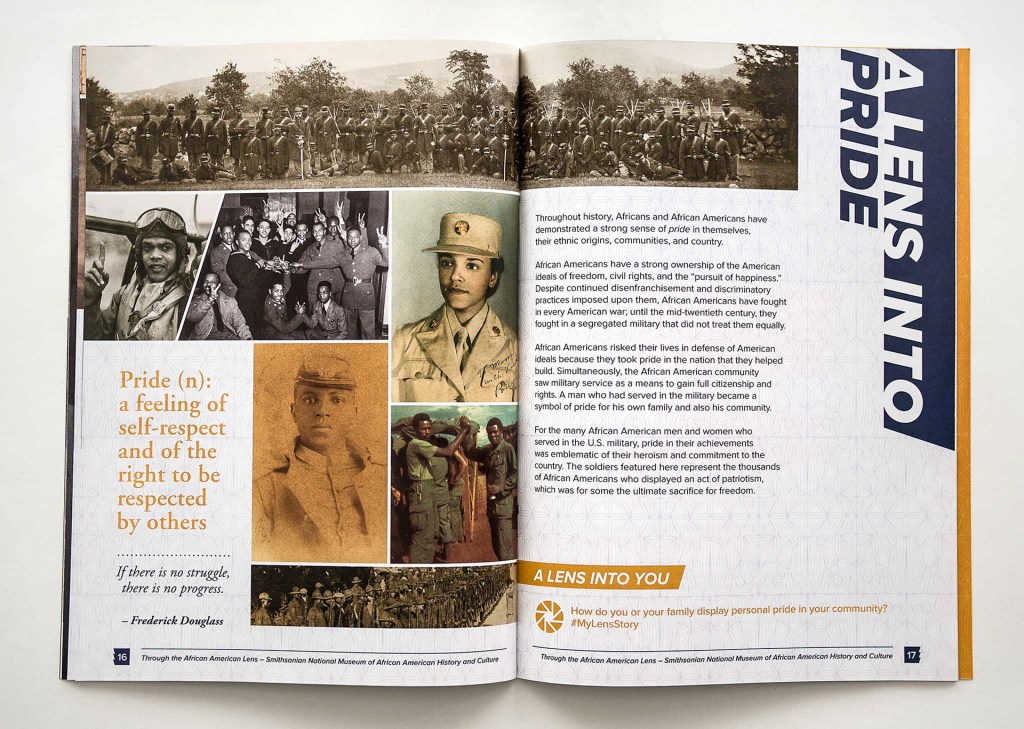
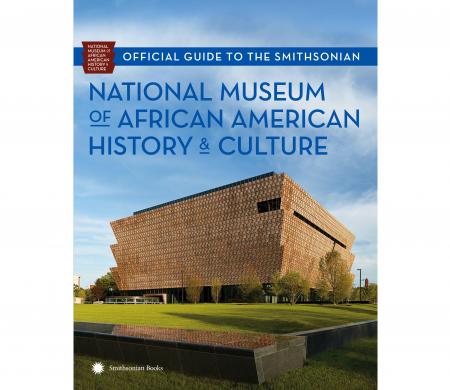
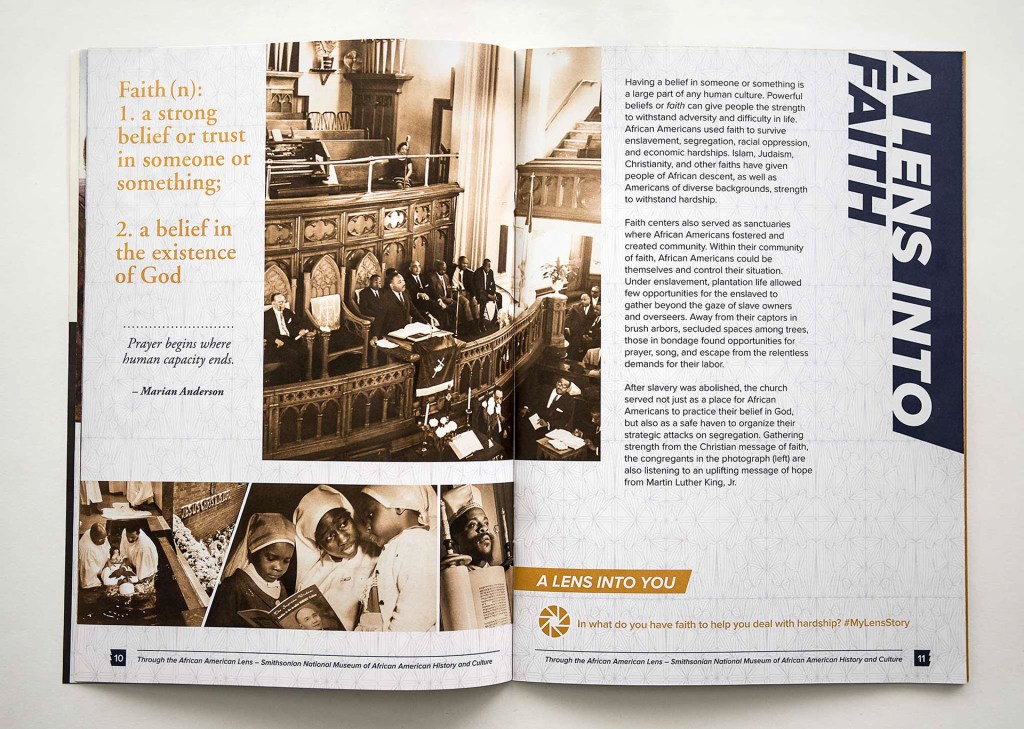
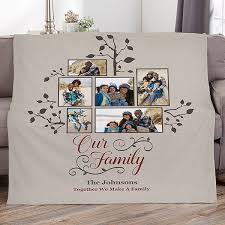
The purpose of this post is to provide a description of three cultural items that I would choose to bring if my family was required to evacuate to a host country due to a catastrophic event. The first item that I would choose to bring is a women’s devotional bible. My family and I attended church service and practiced Christianity on Sunday. The family values were emphasized through our participation in bible study as well as Sunday school with my family and friends. I chose to bring the bible because an evacuation due to a catastrophic event is a major change and my family will benefit from the religious guide provided by the bible. The second item that I would choose to represent my family culture is a blanket with pictures of family members inside of a family tree. This blanket is a special cultural item because it was created by my mother and shares a story of our family history as well as our ancestors. The blanket is important because it can be used to share our family history and we will always have pictures of our loved ones with us. The last item that I would bring is a pamphlet from the African American History Museum in Washington, DC. My family and I attended several of the opening ceremonies for the museum as well as events. The pamphlet highlights several exhibits in the museum and shares information about African American culture.

If I were told upon arrival that I could only keep one thing, I would choose to keep the family tree blanket. I’m truly a family oriented person and knowing my history as well as understanding my family culture is extremely important. The bible is used as a guide and has many scriptures which can assist my family throughout the evacuation to the host country. Without the bible, my family can always pray together or choose to pray individually for guidance. My family and I can also continue to share valuable scriptures. Although the pamphlet from the African American history museum contains valuable information, I believe my family will continue to have access to the information and will be able to share the information to the future generations if we were unable to keep the pamphlet.

The catastrophic scenario required me to think carefully about my culture and prioritize things which are personally valuable to me. As I reflected on each of the items, the family tree picture was extremely significant and allowed me to connect the most with my family culture. From the family tree, I can learn about my ancestors, traditions, beliefs, and values. I can use other family members as a resource in order to learn more about my family culture. The exercise taught me what I value culturally as an individual.

My Supports

As I reflect on factors of my environment which are supportive to me, several types of support come to mind as I think of my daily routine. The first important support that I think of is the daily support and communication with my parents. I communicate with my parents on a daily basis in order to ensure that they are healthy and content. The daily communication with my parents provides the daily emotional support and I believe it has a positive impact on the beginning of my daily routine. The next important support is my women’s daily devotional bible. The daily devotional provides the mental support, emotional support, as well as enhances my current religious foundation. It provides me with the inspiration to persevere through each day and encourages me to be tenacious if any challenges arise.

Recently, my career as an educator has shifted into an online platform due to the Coronavirus and I’m required to provide daily instruction through various websites. The support of technology has provided me with the opportunity to provide small group instruction to the students in my intervention groups as well as to plan differentiated activities with my colleagues. In order to ensure that I am successful, a planner, visualizer, data tracker as well as google calendar has assisted with the organization of my daily schedule.

The support of the parents of my students is significant in the online instructional process. Berger (2018) indicates that when parents support and encourage their child’s learning, almost always the child masters the basic skills required of elementary school students. At the conclusion of my instructional day, technology provides me with the opportunity to participate in group exercise sessions with a virtual trainer. Without these daily supports, I’m unsure of how I would function mentally, emotionally, physically and spiritually. Each of the supports are connected with my daily routine as well as balancing daily activities. For example, if the technology was removed from my daily routine, I would be unable to communicate with my parents, instruct my students, connect with colleagues, and participate in group exercise with my virtual trainer.

The challenge that I imagined was a knee replacement surgery. There are several supports that someone will require with this type of surgery. Mentally, an individual will need the support, motivation, and encouragement from their family to learn how to gain motion as well as strength in their knee. Physically, the individual would required the support of a wheel chair, crutches, walker, or a cane in order to ensure that they are stable. The individual would also require support from their family as well as friends in order to assist with ensuring that he/she receives the proper nutrition as well as transportation to appointments, The individual will also require the mental as well as physical support and encouragement from a physical therapist in order to gain a full range of motion in their knee. An individual who has recently experienced a knee replacement could possibly have a longer recovery period or become depressed without support. It will be very difficult for the person to transition to each place as well as independently complete daily tasks without assistance.

Berger, K. S., (2018). The developing person through childhood. (8th ed.). New York, NY. Worth Publishing.

My Connections to Play

When I reflect on my early childhood experiences there are several quotes which I feel represent my childhood.

“What one loves in childhood stays in the heart forever” ~Mary Jo Putney

“There are no seven wonders of the world in the eyes of a child, there are seven million ~Walt Streightiff

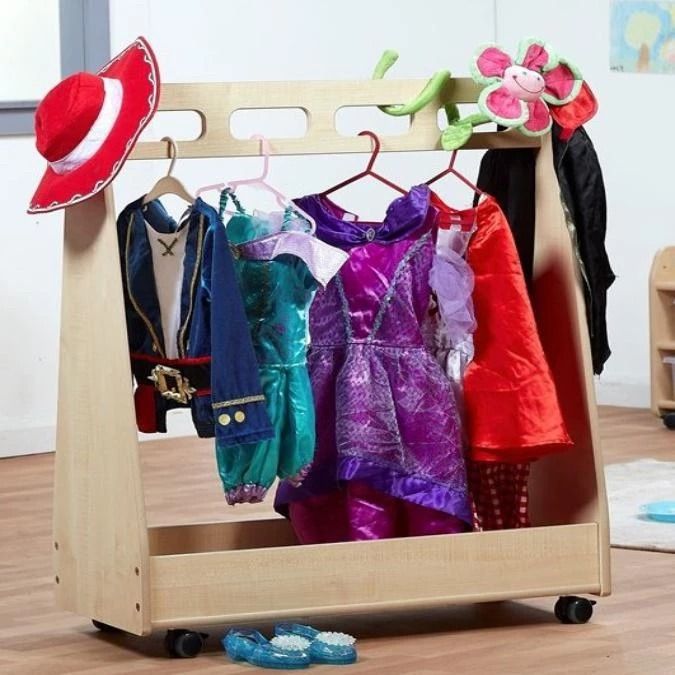
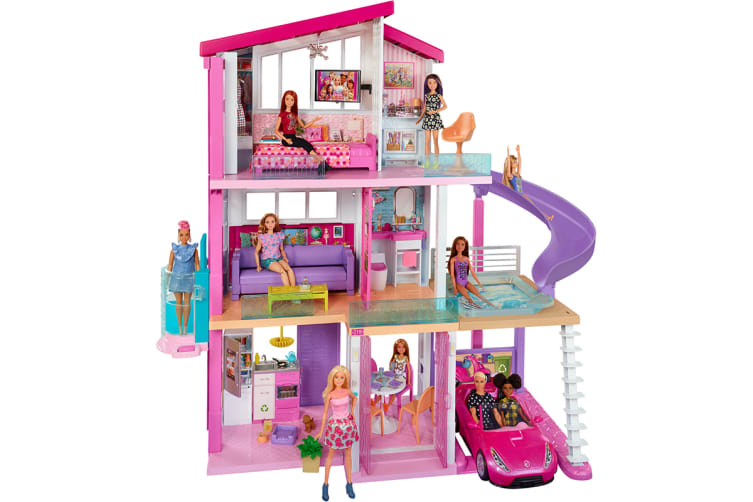
As a young child, opportunities for play and social interaction was very important on a daily basis. I attended a home daycare and Ms. Darnese motivated the children at the daycare to explore the world. My favorite part of daycare was when we received the opportunity to dress up in different costumes and role play. Each time we would dress up in a different costume, we would pretend and act in a different character. If the costume was a occupation like a doctor, we would imitate when happened when we went to the doctor. At home, I pretended that Barbie and Ken dolls were working adults living in a house similar to my own family. One of my favorite family activities was to play at beach with my family. I would create the largest castle and find shells to be the people. My family would use the other seashells to pretend as if they were people also. My parents preferred for me to engage in outdoor activities and sesame street was the only television show I was allowed to watch. I interacted and developed socially with friends outside in the neighborhood.

Children now also imitate what they see during dress up as well as pretend play. They store what they have seen in memory and do it later, an ability Piaget called deferred imitation (Berger, 2018). I have observed children interacting with other children on the playground as well as pretending to be a cashier or merchandiser at the grocery store. I believe the technology of today has a huge impact on the play children experience. Although there are games such as Minecraft which allow children to be creative and build buildings, cars, cities, and people. However, spending long hours on a tablet independently will affect children’s ability to interact socially as well as developmentally. I hope that children of today are able to balance between outdoor play as well as technology.

Play was significant to my personal growth and development because it encouraged me to be creative and use my imagination to explore the world. Play taught me how to become more independent and now as an adult I travel to different places instead of reading about them in books. I learned the importance of working with a team and how together everyone achieves more.

Berger, K. S. (2018). The developing person through childhood. (8th edition). New York, NY: Worth Publishers.

Relationship Reflection

  Relationships are extremely important because they form who we are today.  All relationships have a significant impact on our mental, physical, and emotional development.  When I reflect on the word relationships, I began to think of the two individuals that I built my very first relationships with and I’m honored to call them my parents.  I strongly believe this established relationship laid the foundation for all of my future relationships.  As I researched early childhood development and thinking of myself of a young child, I believe I was an infant with secure attachment qualities.  Berger (2018) indicated that secure attachment is a relationship in which an infant obtains both comfort and confidence from the presence of his or her caregiver.  My parents, who were my primary caregivers, provided an opportunity for exploration, assurance and encouraged discovery. As a young child, my parents encouraged me to explore the world and provided plenty of encouragement and praise as I tried new things. There was always mutual respect, love, and I trusted their decisions.

  The relationship I established with my brother at a young age was also an equally important relationship.  My brother, besides my father, was my first male best friend.  Although we were five years apart in age, I observed my brother consistently and enjoyed our relationship.  Responsive and mutual relationships are important through childhood and beyond (Berger, 2018).  My brother was very protective of me as his only younger female sibling and truly cared for his family.  On weekends, we enjoyed fun activities and supported each other as we participated in a variety of sports activities.

  I established new friendships as I began to play outside with my friends from school as well as the neighborhood.  My childhood best friend and I have remained friends for over three decades.  Although we attended different schools and lived in different neighborhoods, we continued to communicate by becoming pen pals, sending emails, arranging play dates, etc.  In high school, I was fortunate enough to meet another amazing friend.  Berger (2018) concludes that teenagers explore and make new friendships independent from their parents, using their working models of earlier attachment as a base.  We shared the love of cheerleading as well as the same birthday month.  We enjoyed similar music, creating dances and similar foods.

  In order to maintain the friendships that I currently have, it took additional effort as well as planning.  For example, my childhood best friend and I attended different schools and our parents moved to different neighborhoods.  In order to communicate, we exchanged addresses and became pen pals.  As we became more technologically savy, we began to email and eventually call each other on the cell phone.  Our friendships remained strong because we ensured our parents were also aware of when we wanted to have playdates.  Throughout the entire friendship, consistency and building a strong foundation in trust was the key which kept our friendship growing as we grew older.

  My previous relationships have a significant impact on my ability to work as an effective early childhood professional.  As each relationship developed, I learned about a variety of cultural backgrounds and received insight on cultural differences.  My friends were from different cultural backgrounds, we taught each other family traditions and I learned about different religions.  In the early childhood field, I have received the opportunity to work with colleagues from different parts of the world as well as children from different parts of the world.  As I work with my colleagues, I want to ensure that I am an effective communicator, trust worthy, consistent, and reliable just as my strongest relationships from the past have been.

References:

Berger, K. S. (2018). The developing person through childhood. (8th edition). New York, NY: Worth Publishers.

Design a site like this with WordPress.com
Get started