Be yourself; Everyone else is already taken.
— Oscar Wilde.
This is the first post on my new blog. I’m just getting this new blog going, so stay tuned for more. Subscribe below to get notified when I post new updates.
Be yourself; Everyone else is already taken.
— Oscar Wilde.
This is the first post on my new blog. I’m just getting this new blog going, so stay tuned for more. Subscribe below to get notified when I post new updates.
As I matriculated through the course, I received the opportunity to learn a variety of strategies which I will implement into the classroom as an anti-bias educator. Despite their individual differences, the children in my classroom deserve to be respected, accepted, and appreciated. As an educator, I plan to focus on ensuring that the environment is safe for all children as well as families.
I learned that the role of an anti-bias educator is extremely significant to the development of young children. In order to ensure that all students and families have a true sense of belonging, it is important to build an environment which respects as well as encourages diversity. It is important for children to learn how to treat everyone fairly and care about people despite their cultural differences. This includes encouraging children to learn both about about how they are different from other children and how they are similar (Derman-Sparks & Edwards, 2010). Children are curious about people from a diverse group of backgrounds and often desire to learn more. One important aspect to remember is that children learn prejudice from prejudice, not from learning about human diversity (Derman-Sparks & Edwards, 2010).
My hope is that all children as well as families come to identify unfair experiences and learn that unfair situations can be made fair, they gain an increased sense of their power in the world (Derman-Sparks & Edwards, 2010). I hope that families in the world strive to create anti-bias households as well as become active participants in community based organizations which promote and respect diversity. I plan to continue learning about an anti-biased approach to instruction and I look forward to continuing to build strong partnerships from families all over the world.
I would like to take this opportunity for my colleagues who assisted me with professionally develop throughout the course. We discussed a variety of topics that will enhance our professional growth in the future. I truly wish you best wishes in all of your future endeavors.
Derman-Sparks, L., & Olsen Edwards, J. (2010). Anti-bias education for young children and ourselves. Washington, D.C.: National Association for the Education of Young Children (NAEYC).

The region that I chose for this blog is South Asia. I chose South Asia because I received the opportunity to visit Sri Lanka on vacation in February of 2019. I built a connection with the natives as I visited Sri Lanka and was an active participant on island tours. I learned many things about the country and how the country has overcome devastating events. Despite the devastation of a tsunami, the natives spoke highly of the Peraliya Buddha memorial and the recovery efforts. There were over 40,000 people killed in 2004. Many families were separated and devastated. The devastation of a tsunami impacted the social as well as emotional development of adults as well as children.
After reviewing South Asia section, I was heartbroken as I learned that there are several still births in India. There are several reasons for the still born births including pre-existing conditions, adolescent pregnancies, as well as the lack of access to quality healthcare. I believe all women deserve access to quality healthcare and provided with the opportunity to prevent complications. There has been an increase in politician presence in order to end still born births.
Education facilities at the Rohingya refugee camp have remained closed since March due to the current Covid 19 pandemic. With the assistance of the UNICEF partners, many students are receiving the basic lessons. The refugee parents often lack the skills of reading and writing. The UNICEF is continuing to assist the families, however the spread of Covid has also made this process extremely difficult. The new experiences of Covid will have a significant impact of the children in the refugee camps. The students are no longer able to have face to face interaction with their peers and lack the common social skills. The students in the refugee camps have difficulty accessing technology which may result in using workbooks. Some students may have difficulty with the lack of time spent with their peers and teachers. This may cause an emotional impact such as depression.
It is significant to gain background knowledge about the students who enter your classroom as well as build a strong partnership with the families. Students are impacted on a consistent basis in several ways which we may not be aware of. As an educator, it is heartbreaking to learn that students are struggling to be successful due to the lack of their basic needs. I would like to connect the students as well as families with resources as soon as possible.
Children are often stripped of their innocence due to a society that has become more sexualized and filled with adult exploitation. The content children are exposed to is not age appropriate and some adults feel that this over sexualized society is acceptable. Children are exposed to inappropriate content through television, billboards, cellphones, computers toys, songs, dances, media, movies, books, etc. Overtime, the constant exposure to oversexualized messages will encourage the demonstration of oversexualized behavior at earlier ages. Girls are growing up in an environment that places an emphasis on “looking sexy” and overtime this could cause detrimental psychological damages.
Here are several examples of how children are over-sexualized and are exposed to oversexualized messages:
Many children receive the opportunity to interact with cell phones on a consistent basis. With one click of a mouse, children are exposed to sexualized content as well as images.
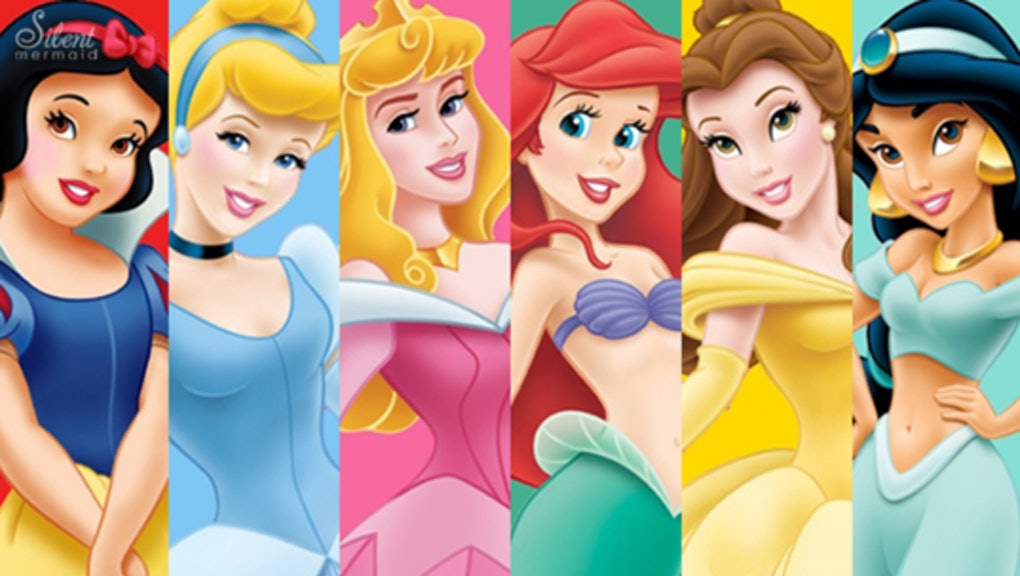
In movies such as Cinderella and The little mermaid, girls are consistently exposed to specific body image types which are considered acceptable. Ariel even changes her image in the movie in order to become more appealing to the prince in the little mermaid.
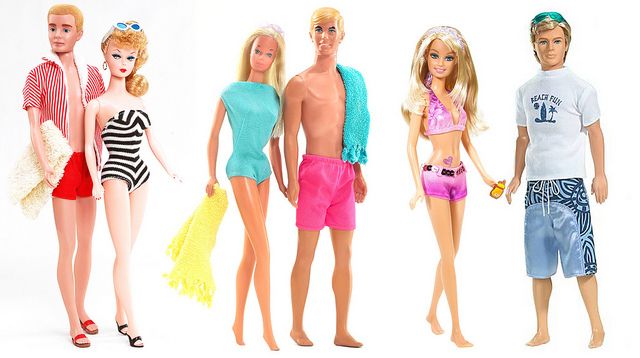
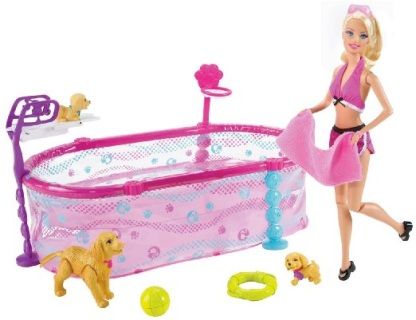
Barbie dolls are often shown with clothing which is often age appropriate for adults and adult body shapes. Barbies often have the physical feature of large breasts. Billboards often advertise models with lingerie which barely covers the body.
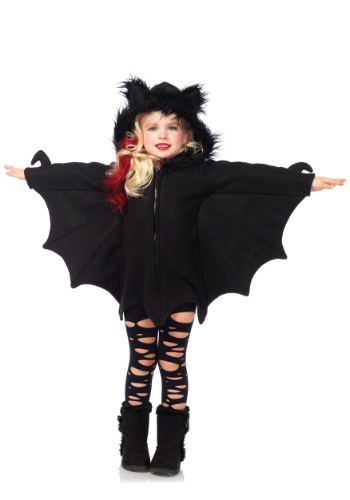
Children’s Halloween costumes are oversexualized and are often similar to adult costumes. The costumes are often above the knee and short. Some require make-up or a wig to make the outfit complete.
As an educator, it is important to ensure that the classroom is filled with age appropriate content. This includes incorporating appropriate posters, previewing books and movies prior to showing them in the classroom in order to ensure that the children are not exposed to oversexualized content. Parents should pay close attention to what their children are exposed to and if possible ensure that that all technology protects children from these opportunities.

Imagine studying to become an early years educator for several years, graduating with honors, and preparing for your first day as a certified educator. The first day of school is approaching and you more than excited to welcome your new students into the class. As the student walks into the classroom, the parents of the student hold the student back from entering the room. As you approach the door, the family shares that they prefer to have a different educator. Later, you discover that the parents preferred for the students to have an educator of a different race. As an educator, who has studied to become a qualified educator, this was truly unexpected. This is your first experience with racism in your professional career and this has motivated you to prove your ability to educate children despite the color of your skin. The scenario described above has occurred to a few of my former colleagues as well as myself. Students and families may experience similar situations with their peers. The experience is hurtful, however it’s important to confidently know that you are qualified educator who is more than capable of teaching children despite how others may feel about your skin color.
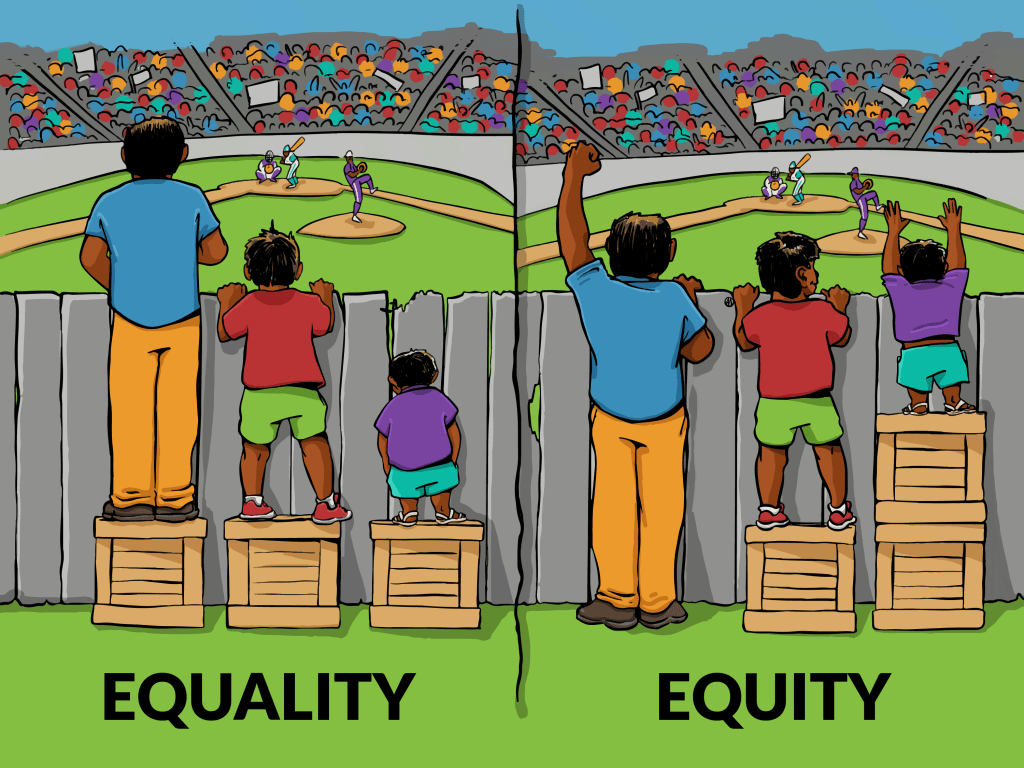
I chose the illustration of this blog because it is extremely important to understand the difference between equality and equity. When you focus on equity, you provide everyone with what they need to be successful as the illustration exhibits. Equality is when everyone is treated the same. As an educator, I plan to ensure that all children are treated with equity regardless of their cultural background. Situations like the one described above can interfere with the quality of instruction and have a negative impact on students. However, as an educator it is important to move forward and continue to focus on educating students to be college and career ready.
As an adult, it is extremely important to provide children with several opportunities to express themselves and openly discuss topics which spark their personal interest. I believe it’s important to provide opportunities where children feel comfortable to speak freely. During an afternoon jog in the park, I stopped to take a break and observed a conversation between an adult male and a little girl near the pond. The girl noticed a blue latex balloon floating in the pond near the ducks. The girl continuously pulled on the pants leg of the adult male in order to attempt to show the balloon floating near the ducks. The girl shouted, “Oh no daddy look.” For the first few minutes, the child’s father was looking into his phone. However when the child became upset, the father quickly put his phone away and asked the little girl why she was upset. The child explained that the balloon could hurt the ducks. The father said, “no it won’t let’s go to the playground.” The little girl said, “Dad the balloon can pop and hurt the ducks. The ducks may eat the balloon and get sick.” The little girl and father walked closer to the pond and father used a stick to grab the balloon out of the water. The little girl was excited because her father listened to her and saved the ducks. She gave her father a hug and they walked to the playground.
After observing this interaction, I noticed how important it is for adults to be active participant’s in a conversation without using any type of technology device. The small child was very concerned about the balloon in the water at the pond with the ducks. The balloon could have caused harm to the ducks, fish, as well as other elements of the pond. The father attempted to distract the girl and mentioned the playground in an attempt to distract her. When the father grabbed the balloon out of the water the small girl was filled with joy and gave her father a huge hug. At that point I realized that her sense of self worth was enhanced because she was able to get her father to listen to her. As adults we need to step back from our reality and listen to children. Stepping back means not only slowing down and really listening, but also consciously shifting our minds from the immediacy of the conversation to consider it from other perspectives (Stephenson, 2009).
I have learned that providing a comfortable place where children are welcome to share their personal thoughts truly enhances learning experiences as well as creates opportunities for discovery. While discussing different topics, children learn to build their vocabulary and clear any misconceptions. Although the children of today are technology savvy, it is important for both children and adults to have conversations without the use of devices nearby. It is important to provide those opportunities for conversations and for adults to be an active listener when they are expressing their thoughts and feelings.
Stephenson, A. (2009). Conversations with a 2 year old. YC: Young Children , 64(2), 90-95.
If I were opening a child care center, I would ensure that the center is focusing on celebrating diversity within the center, the community, as well as the world. One goal would be to ensure that families are building connections as well as a community which supports the growth as well as development of their young scholar. Parents are a significant part of the early learning process and can provide insight on the early learning process of the children. Everything teachers do rests upon establishing strong, caring, and trusting relationships with children and families (Derman-Spark & Edwards, 2010). Without these relationships, children will find it difficult to learn, grow, as well as to feel safe (Derman-Sparks & Edwards, 2010).
As the students enter the classroom, the children will see bulletin boards filled with photographs of children from a diverse groups of backgrounds as well as ability levels. Throughout the classroom, the children will be exposed to family culture share bulletin boards similar to the examples presented on the media segment (Laureate, 2011). The family culture share will represent the cultures of the children within the classroom and assist with helping the children build a strong sense of belonging. I believe this will assist with enhancing the self-confidence of the children due to the overt and covert messages which affect their own sense of self worth and how they think about people who are different (Derman Sparks & Edwards, 2010).
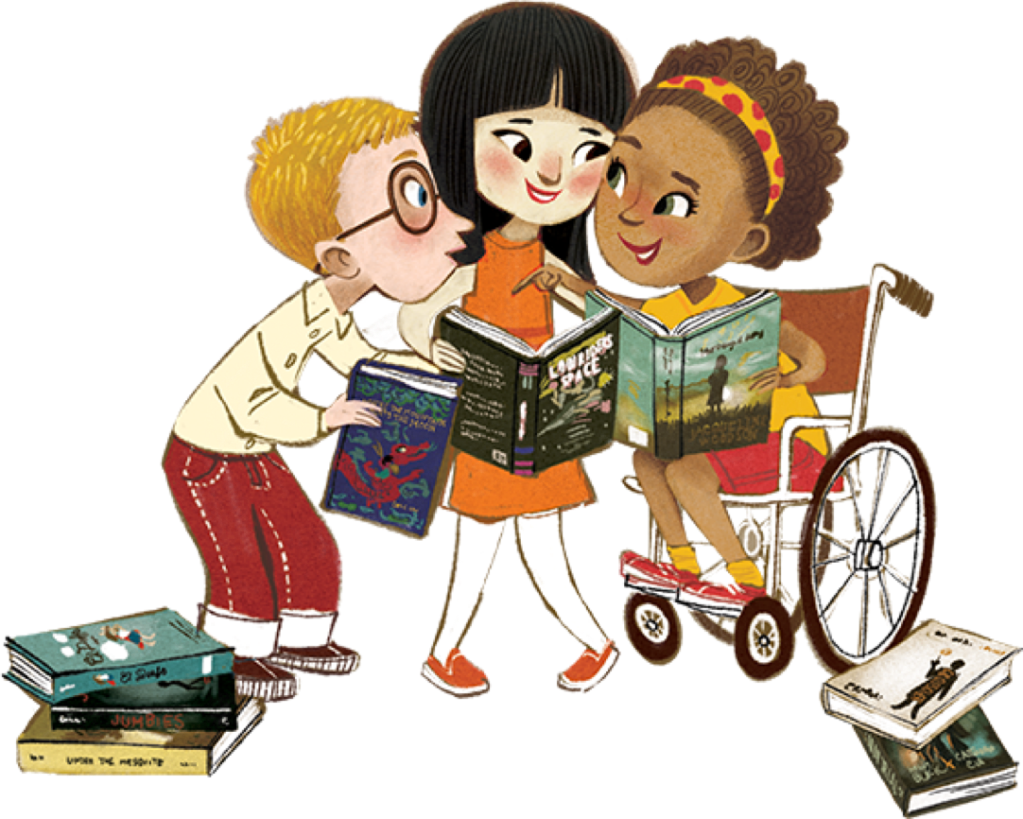
The classroom library will be filled with authors and characters from a diverse group of cultural backgrounds. In the classroom library, the students can learn about cultures from across the world and build a deeper connection with their own culture. The library will also represent a diverse group of families. In the pretend and play area, the children will be exposed to dolls from different cultures. The dolls will represent different cultures and the kids will make connections with their own cultures (Laureate, 2011). The dramatic play area will represent occupations and the children will learn that many occupations are not gender specific. The children will learn and sing popular songs from a variety of cultures (Laureate, 2011).
Derman-Sparks, L., & Olsen Edwards, J. (2010). Anti-bias education for young children and ourselves. Washington, DC: NAEYC.
Laureate Education, Inc. (2011). Strategies for working with diverse children: Welcome to an anti-bias learning community. Baltimore, MD: Author
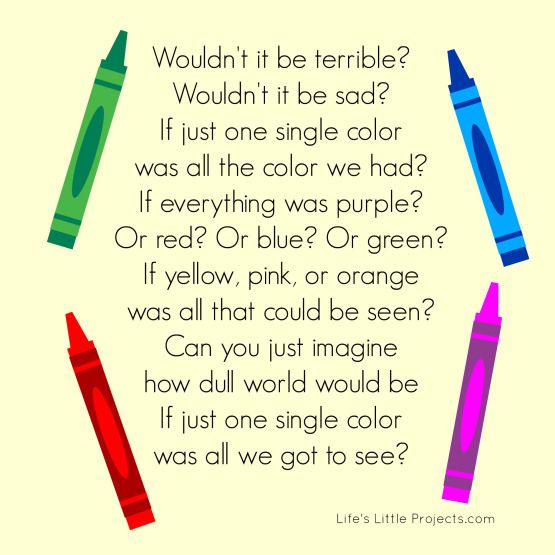
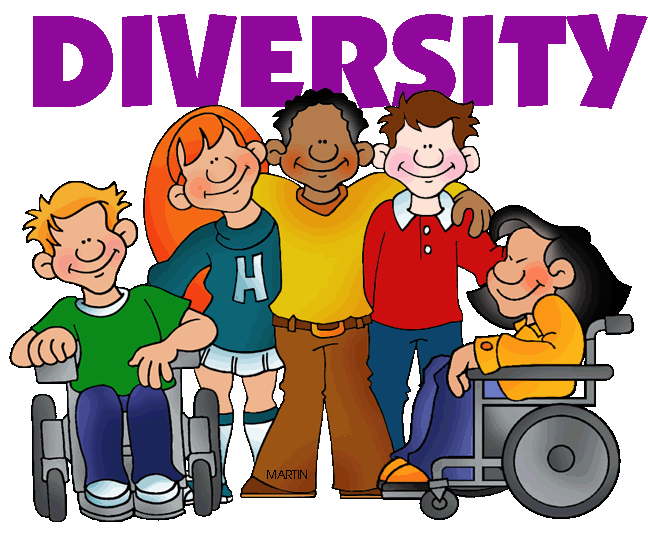
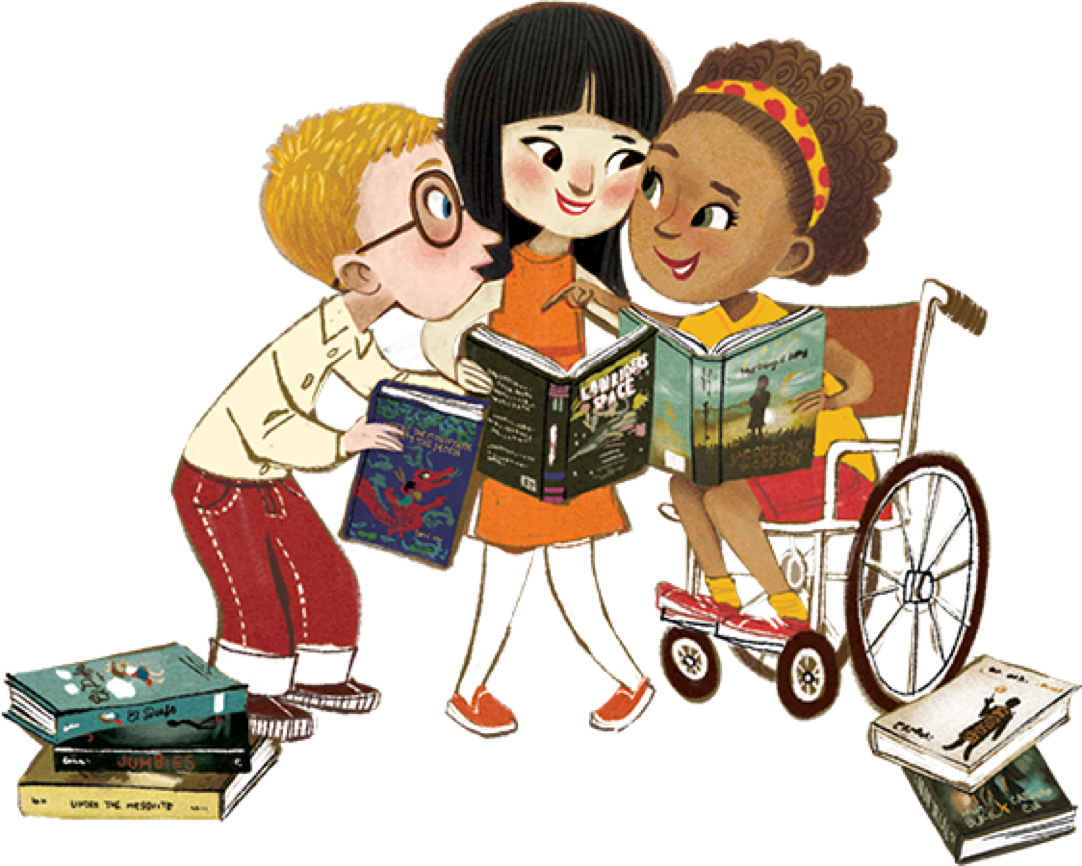
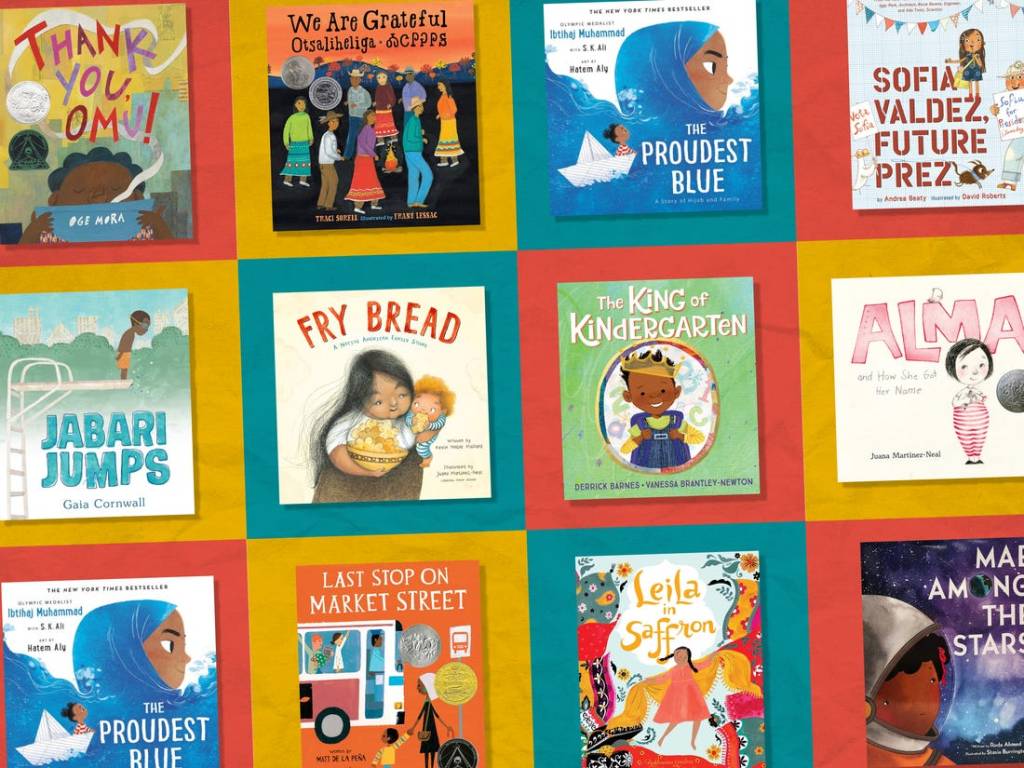
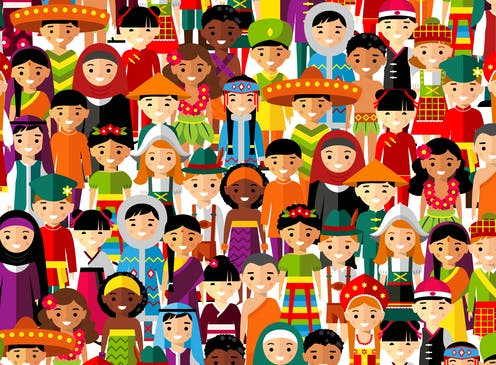
Take a look and you will see, how much I appreciate diversity
Families from all over the globe, generational stories that have been told
They each have a unique story yes they do, maybe one day you will find out too
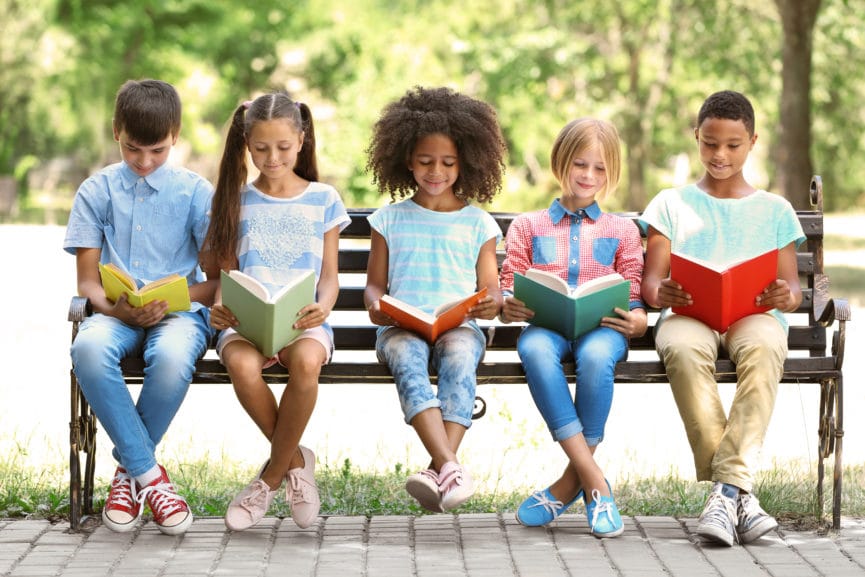
The collage above represents the significance of researching, recognizing, and appreciation of diversity. Each of the students have unique cultural backgrounds and it is important to build a partnership with each family. Derman-Sparks & Edwards (2010), focuses on the goals of an anti-bias education. The first goal for an anti-bias educator is to support the social identity development of a student. Children will focus on the personal development of his/her social identity. The second goal is to promote and encourage students to appreciate diversity. For this goal, the educator may expose the students to a diversity in humanity. Children will learn to recognize differences and learn to care for a diverse group of people. The third goal is to assist students with identifying bias and understand how bias can be hurtful. Children will learn to recognize things that are unfair. The fourth goal is for teachers to build confidence in a students ability to advocate for oneself and approach bias. Children will learn to face bias with confidence. I hope this collage of artwork from a variety of artists motivates you to continue to appreciate diversity as it did for me.
Derman-Sparks, L., & Olsen Edwards, J. (2010). Anti-bias education for young children and ourselves. Washington, DC: NAEYC.
One goal that I have when I think about working with children and families who come from diverse backgrounds is to build a partnership as well as continue to encourage others to appreciate their diversity. One way to show my appreciation for different cultures is have a cultural fair and represent a diverse group of cultures. Also, I plan to build connections among families.
One goal I would like to see for the early childhood field related to issues of diversity, equity, and social justice is to be an active advocate for diverse families. Children and families should be aware of the harm of bias as well as the impact it has on children. I plan to assist students with confidence as they face bias, prejudice, and discriminatory actions (Derman-Sparks & Edwards, 2010).
I would like to take this opportunity to show my appreciation for my professor as well as colleagues who have enhanced my personal growth as an educator. Your thought-provoking questions as well as responses, have motivated me to implement anti-bias instructional strategies within the classroom. I plan to encourage my current colleagues to dive deep into an anti-bias instructional approach in order to improve the learning environment.

Derman-Sparks, L., & Olsen Edwards, J. (2010). Anti-bias education for young children and ourselves. Washington, DC: NAEYC.
Imagine walking in a grocery store and you see a small boy pointing at a man while shouting, “Did that fat man eat a watermelon?” The mother of the child quickly tells the child to be quiet and covered his mouth. The mother picked the child up and they quickly left the aisle. The man, who the young child was referring to, looked extremely sad after the comment was made. He left his basket in the aisle and walked out of the store.
The child’s mother avoided addressing the comment immediately and the child was removed from the aisle immediately. Based on the quick reaction of the child’s mother, she was embarrassed. The young child may believe that the comment is appropriate because it was not addressed by his mother. The child may continue to make similar comments about other people because it was not addressed. The child may have difficulty making and maintaining friends if the comments continue.
An anti-bias educator may have responded to a child/student by making a direct positive statement about diversity (Laureate, n.d). For example, an educator may mention that they have many friends or family members who are many shapes and sizes. In this way, an educator uses his/herself as a model of other possible ways to think about difference (Laureate, n.d).
Educators can also use children’s books in order to model an anti-bias approach. According to Laureate (n.d), some stories model anti-bias behavior as well as provide opportunities for children to think about how they can act towards bias. Initiating insightful discussions about anti bias behavior can occur after reading a children’s book. The process of asking questions empowers children to take action themselves by giving the message that responding to bias is important, models cooperative problem solving, and create concrete suggestions for what to do (Laureate, n.d). An educator can also implement the use of puppets and ask children how they would respond to different scenarios.
Laureate Education (Producer). (n.d.). Start seeing diversity: Physical ability and characteristics [Video file]. Retrieved from https://class.waldenu.edu
The early childhood learning environment provides the opportunity for children to explore the world through play based learning. The learning environment should represent the diverse group of families around the world. The learning environment should include diverse diverse backgrounds such as race, ethnicity, social class, culture, etc.
If a parent/family member informed me that they did not want anyone who is perceived (or self-reported) homosexual or transgender to be caring for, educating, or interacting with their child, I would explain the educator has completed the appropriate requirements for becoming a qualified educator for their child and is more than capable of educating their child regardless of their sexual orientation. I would explain that it is not fair to judge an individual on their job performance based on their sexual orientation or outward appearance. I have personally worked with educators who are homosexual or transgender, and they have gone above and beyond in order to ensure that the children within their classroom have a solid foundation in early learning skills. These educators have been active participants in professional development as well as led professional developments in order to effectively train other educators.
If an individual believes that early childhood learning centers should avoid the inclusion of books depicting gay or lesbian individuals, I would explain the significance of including all the diverse families in the classroom. There are a variety family structures within an early childhood learning centers which they may be unaware of. The family structures could include parent(s) and/or guardians with the same sex or opposite sex. Although the family structures are different, the families are more than capable of providing a strong educational foundation filled with unconditional love. Children deserve to have their diverse families represented regardless of the family structure. There should be a variety of books in the classroom which represent the diversity of the world.
As an educator, you touch lives of children forever. Your ability to teach children should not be limited based on your sexual orientation or outward experience.

 Lady J's Blog